- Vitoria-Gasteiz, Domingo Beltrán 12
- 945 303 405
- info@ventanasonenak.com


Understanding gambling addiction What you need to know for better mental health
Merkur Slot ohne tornado farm escape Spielautomat Registration probieren
marzo 24, 2026Unser besten Erreichbar-Casinos crystal tanzfest Slot echtes Bares inside Teutonia 2024: Welches umfassender Prinzip Spielautomaten vicky ventura online Costa Rica
marzo 24, 2026Understanding gambling addiction What you need to know for better mental health
What is Gambling Addiction?
Gambling addiction, often referred to as compulsive gambling, is a behavioral disorder characterized by an uncontrollable urge to gamble despite the negative consequences it may bring. This condition can lead to severe financial problems, relationship issues, and significant emotional distress. Understanding the nature of this addiction is crucial for those affected and their loved ones, as it sheds light on why some individuals may find themselves caught in a cycle of gambling that is difficult to break. For instance, you might find valuable resources at woocasinos-au.com that help raise awareness about this issue.

The psychological aspects of gambling addiction can involve a variety of factors, including the thrill of winning, the social aspect of gambling environments, and the desire to escape from personal problems. Often, individuals may believe that they can control their gambling habits, leading them to escalate their activities and further entrenching their addiction.
Signs and Symptoms
Identifying the signs of gambling addiction is the first step towards seeking help. Individuals may exhibit behaviors such as lying about gambling activities, borrowing money to gamble, or neglecting responsibilities. Emotional symptoms can include anxiety, depression, and irritability when not gambling. Recognizing these symptoms is essential, as it can lead to timely intervention and support.
Additionally, individuals may experience a distorted sense of reality regarding gambling, believing that a big win is just around the corner. This misconception can perpetuate the cycle of addiction and make it challenging for individuals to seek help. Awareness of these signs can empower both individuals and their loved ones to take action before the situation worsens.
The Impact on Mental Health
Gambling addiction can severely affect mental health, leading to conditions such as anxiety disorders, depression, and even suicidal thoughts in extreme cases. The financial stress and interpersonal conflicts that often accompany this addiction can exacerbate feelings of hopelessness and despair. Understanding the connection between gambling and mental health is vital for those seeking to recover.
Moreover, many individuals struggling with gambling addiction may not realize that they are dealing with a mental health issue. Stigma and shame can prevent them from seeking help, further deepening their struggles. Education and awareness surrounding this issue are paramount in fostering a supportive environment for recovery and mental well-being.
Pathways to Recovery
Recovery from gambling addiction is possible and often requires a multifaceted approach. Professional treatment options, including therapy and support groups, can provide essential support and coping strategies. Cognitive-behavioral therapy (CBT) has shown particular promise in helping individuals change their thought patterns and behaviors related to gambling.
Additionally, support from friends and family can play a critical role in recovery. Encouraging open discussions about addiction and mental health can help reduce stigma and create a safe space for individuals to seek help. Building a strong support network can significantly enhance the recovery journey and promote lasting change.
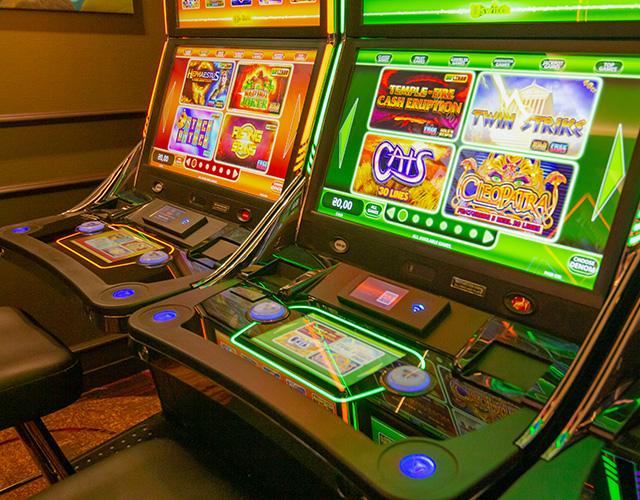
Woo Casino’s Commitment to Responsible Gaming
At Woo Casino, there is a strong emphasis on responsible gaming and the importance of mental health. The platform promotes awareness about gambling addiction and offers resources to help players make informed decisions. With a focus on player safety, Woo Casino encourages users to engage with gaming responsibly and take breaks when needed.
Woo Casino provides tools for players to set limits on their gambling activities and access support resources. By fostering a community that values mental health and responsible play, the casino aims to create a safe and enjoyable environment for all players. Understanding gambling addiction and its implications is a step towards better mental health for everyone involved.
